
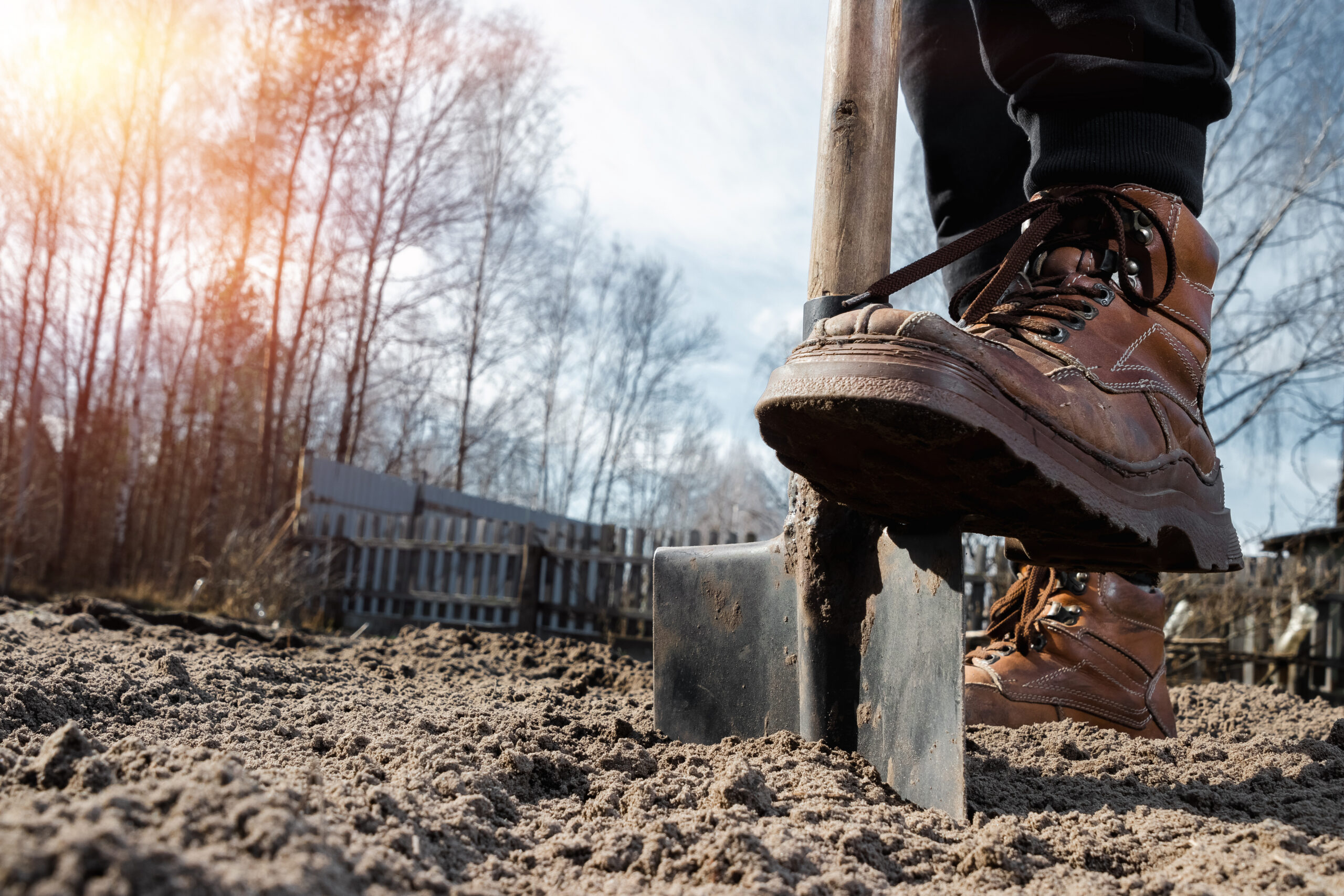
Why Waterproofing Work Boots Matters
Dry feet are more than a comfort issue. Wet boots lead to blisters, cold stress, and distraction on the job. Water also breaks down leather fibers, weakens stitching, and causes metal components to corrode. For teams working in airports, shipping hubs, loading docks, construction sites, and public facilities, a consistent waterproofing routine protects both people and gear. It also saves money by extending the life of expensive footwear. If appearance is part of your brand standard, keeping boots clean and well protected supports a neat, professional look for staff and guests.
Know Your Boot Material Before You Start
Full-grain and oil-tanned leather
This is the most durable boot leather and responds well to waxes and oils. It can handle higher saturation during treatment. Choose wax-based waterproofers for strong water beading and lasting protection. Oils and creams can help with flexibility, but go light if your boots have a breathable liner.
Nubuck and suede
These have a soft, brushed surface and should not be treated with thick waxes or heavy oils. Use a dedicated water-repellent spray designed for nubuck or suede. Brush the nap before and after treatment to keep the texture even.
Fabric, nylon, and mesh panels
Most fabric or mesh boots pair best with water-repellent sprays. Look for products made for technical fabrics. Avoid oily products that can attract dirt and reduce breathability.
Boots with waterproof membranes
If your boots include a liner such as Gore-Tex, eVent, or a brand membrane, avoid heavy oils and thick waxes that can reduce breathability. A membrane already blocks water entry, so your focus is to keep the outer material from soaking up water. Use a light cream or spray-on water repellent and prioritize seam sealing where stitching meets leather or fabric.
What Is the Best Way to Waterproof Boots? A Step-by-Step Guide
The best way to waterproof boots combines thorough cleaning, careful drying, the right product for your material, and steady upkeep. Follow this practical process to get reliable results on the job.
Step 1: Clean thoroughly
Waterproofers stick best to clean, dry surfaces. Brush away dried mud and grit with a firm boot brush. Wipe off salt or chemical residue with a damp cloth. Use a small brush around eyelets and welt stitching. If you manage a lobby or locker area for crews or guests, an O-Sun station with firm brushes and buffer pads can help teams remove dirt before they apply a waterproofer at home or during scheduled maintenance. Dirt that stays on the leather will block absorption and create weak spots in your water barrier.
Step 2: Dry correctly
Let boots air-dry at room temperature until they are fully dry to the touch. Avoid direct heat from a radiator or open flame. Intense heat can crack leather, separate adhesives, and warp toe caps. If time is short, use a boot dryer on a low setting or stuff the boots with dry, unprinted paper and replace it as it gets damp. Slightly warm leather accepts wax more readily, but never overheat the boots.
Step 3: Choose the right waterproofing product
- Wax-based paste for full-grain leather: Beeswax or synthetic wax pastes create a strong moisture barrier and deep water beading. They are ideal for heavy leather work boots that see frequent wet conditions.
- Silicone wax or silicone cream for leather: Silicone blends repel water while maintaining flexibility. O-Sun offers silicone wax that pairs well with routine polishing and provides dependable water resistance on leather uppers.
- Conditioning cream with light repellency: Creams condition the leather and add mild protection. Use these when breathability matters and exposure is occasional rather than constant.
- Spray-on water repellent for suede, nubuck, and fabric: Dedicated sprays protect porous materials without changing the texture or color too much. Use multiple light coats.
- Seam sealer: Liquid seam sealers or wax sticks focus on thread lines, welt stitches, and eyelets. These are frequent leak points that deserve extra attention.
Step 4: Apply your chosen treatment the right way
- Test first: Check a small area under the collar or near the heel to confirm no unwanted color change.
- For wax paste on leather: Warm the wax slightly by rubbing it in a clean cloth or with your hands. Massage a thin, even layer into the leather using small circles, paying extra attention to seams, the toe, and the heel counter.
- For silicone wax or cream: Apply a small amount on a cloth or applicator and work it in evenly. Avoid overloading, which can leave a sticky film and attract dust.
- For spray-on repellents: Hold the can 6 to 8 inches away. Spray light, even coats. Do not drench the material. Allow each coat to dry before adding another.
- For seam sealing: Use a fine tip or a cotton swab to run sealer along welt stitching, around eyelets, and where the upper meets the tongue gusset.
Step 5: Let it cure, then buff
Give the treatment time to set. Waxes and creams generally need several hours. Sprays dry faster, but check the label for cure time. Once dry, buff leather lightly with a soft brush or buffer pad to even out the finish. O-Sun buffer pads are a quick way to bring back a clean, professional look after the treatment has cured while preserving the new water-repellent layer.
Step 6: Maintain a simple routine
After wet shifts, brush away debris, let the boots dry fully, and top up the waterproofing as needed. Regular light maintenance keeps you from having to do deep treatments as often. With workplace traffic, standardize a short checklist and schedule for your team so nobody forgets critical steps.
Product Types and When to Use Them
Wax Paste for Maximum Defense
Choose this if your full-grain leather boots face constant rain, slush, or wash-downs. Wax paste resists abrasion better than light sprays and helps protect stitching. It can slightly darken leather and reduce breathability, so it is best for cold and wet environments where keeping water out matters most.
Silicone Wax or Cream for Balanced Protection
Silicone wax and silicone-based creams balance water resistance with a more flexible finish. They are a strong choice for mixed indoor and outdoor work. O-Sun silicone wax integrates well with routine shine and care, so teams can maintain both appearance and protection between major treatments.
Sprays for Suede, Nubuck, and Fabrics
Sprays are the safe choice for materials that should not be saturated with wax or oil. Light layers protect the fibers without changing the nap or clogging pores. Reapply more often, since sprays can wear down faster in rough conditions.
Conditioners With Mild Repellency
Use these when your boots need flexibility and comfort more than extreme waterproofing. A light conditioner helps prevent cracking and keeps leather supple. Pair with targeted seam sealing if you expect occasional wet conditions.
Seam Sealers for Leak Hot Spots
Most leaks start at seams, welt stitches, eyelets, and the tongue gusset. A thin line of sealer in these areas can make a big difference. Add seam sealing after cleaning and before you complete your overall waterproofing.
Common Mistakes to Avoid
- Skipping the cleaning step: Dirt blocks absorption and creates dry spots that leak first.
- Using heavy oils on modern membrane boots: This can reduce breathability and degrade adhesives.
- Overheating leather to hurry drying: Heat damage is permanent and reduces the boot’s life.
- Too much product: Thick layers can stay tacky and collect grit. Thin, even coats work best.
- Ignoring seams and welt areas: These are high-risk leak points.
- Using any product on nubuck or suede: Always use a product made for that material to avoid stains and texture loss.
- Not allowing proper cure time: Walking too soon can smear the product and reduce protection.
Waterproofing vs Conditioning vs Polishing
These three tasks support each other but are not the same. Understanding the difference helps you select the right product and schedule.
- Waterproofing: Adds a barrier that repels water. Waxes, sprays, and seam sealers are the primary tools.
- Conditioning: Replaces oils, keeps leather flexible, and prevents cracking. Creams and light oils fit here.
- Polishing: Improves appearance and can add minor water resistance. With O-Sun polishing equipment and silicone wax, you can maintain a clean shine in high-traffic areas while keeping a light protective layer on the leather between full waterproofing sessions.
How Often Should You Reapply Waterproofing?
Frequency depends on exposure, material, and the product you use. Expect more frequent top-ups during winter or rainy seasons. Create a schedule that matches your environment and check boots weekly for signs that water is no longer beading.
- Daily wet conditions: Reapply wax paste or silicone wax every 2 to 4 weeks. Touch up seams weekly.
- Frequent drizzle or occasional rain: Spray or light cream every 4 to 6 weeks, with seam checks as needed.
- Mostly indoor with rare exposure: Maintain with polish or silicone wax every 6 to 8 weeks and do a full waterproof treatment quarterly.
- Suede and fabric: Light spray every 2 to 4 weeks in wet seasons. Increase frequency if you see dark wet patches soaking in.
Quick Field Fixes When Weather Turns
- Carry a small repellent spray: A few light coats can prevent a sudden soak on the way to a shift.
- Focus on seams first: Even a small application around the welt and eyelets reduces leaks fast.
- Use a microfiber cloth: Wipe away standing water and grit before reapplying a light product layer.
- Air-dry promptly: Remove insoles and let the boots breathe after exposure. Quick drying slows long-term damage.
Care Checklist for Teams and Facilities
For commercial and institutional environments, a simple checklist reduces downtime and keeps standards high. O-Sun supports this with durable polishing and brushing stations that help teams show up with boots that are clean and ready for protection.
- At shift end: Brush off mud, rinse salt, and air-dry.
- Daily: Inspect seams, eyelets, and welt stitching for wear or dark wet spots.
- Weekly: Refresh water repellency on heavy-wear zones and treat seams.
- Monthly: Do a full waterproof treatment. Condition leather if it feels stiff.
- Quarterly: Deep clean, check laces and insoles, and re-evaluate product choice based on season and job demands.
- Facility support: Place an O-Sun brushing and polishing station in lobbies, locker rooms, or gate areas so crews can maintain a clean finish before reapplying protective treatments offsite.
FAQs About the Best Way to Waterproof Boots
Can I waterproof brand-new boots?
Yes. Clean dust from manufacturing and apply a light, material-appropriate treatment. For full-grain leather, a thin wax or silicone wax layer works well. For nubuck, suede, or fabric, use a dedicated spray. Go light at first and add more after a few wears.
How long does protection last?
It varies by exposure and product. Heavy leather with wax paste can stay effective for weeks in wet conditions. Sprays on fabric or suede often need refreshing every few weeks. Watch the bead test. If water stops beading and starts soaking, it is time to reapply.
Does polish waterproof boots?
Polish improves appearance and can add mild water resistance, but it is not a full waterproofing method. Augment polish with a true water-repellent product. O-Sun silicone wax bridges the gap by adding water resistance while supporting a clean, professional shine.
Are steel-toe or composite-toe boots different?
Toe caps themselves do not change the process, but adhesives and welt areas around the toe can be stress points. Clean well, seal seams, and avoid excessive heat that can weaken bonding near the cap.
What about salt stains in winter?
Wipe boots with a damp cloth to remove salt, then let them dry completely. Condition if the leather feels stiff. Apply or refresh your water-repellent product. Removing salt quickly prevents fiber damage and cracking.
Why O-Sun Belongs in Your Boot Care Program
Since 1972, O-Sun has manufactured heavy-duty shoe-shine and shoe-polishing equipment that stands up to real-world use. The company builds manual, bench-mount, and automatic polishers with low maintenance in mind and offers accessories like silicone wax, brushes, and buffer pads. For airports, banks, hotels, law firms, military and police facilities, and shipping hubs such as UPS or Amtrak locations, O-Sun equipment helps employees and guests maintain a professional look. That consistent clean finish supports your waterproofing plan because treatments bond best to boots that are brushed, debrided, and dry. O-Sun’s reputation for reliability is backed by testimonials from organizations that run their machines for years with minimal service. The company also offers a 60-day no-risk trial for qualifying industries, which lets facilities confirm fit and performance before fully deploying units. If you are standardizing boot care across teams, an O-Sun station near entrances or lockers encourages good daily habits. Staff can brush away grit, restore a uniform shine with silicone wax, and keep a professional appearance before or after field work. That means your periodic deep waterproofing lasts longer and performs better in the elements.
Final Thoughts: Put the Best Way to Waterproof Boots Into Practice
The best way to waterproof boots starts with clean, dry materials, the right product for your boot type, and careful attention to seams and stitching. Light, even coats work better than thick layers, and regular upkeep will carry your boots through the wet season. For teams and facilities, pair this process with a repeatable checklist and the right support equipment. O-Sun can help you build a practical, low-maintenance program that keeps boots clean and ready for protection. When your crew’s feet stay dry, they stay focused, productive, and safe. Start by brushing and cleaning your boots today, pick the right waterproofer for your material, and set a simple schedule. If you manage a site that values professional appearance as well as performance, consider adding O-Sun brushes, buffers, and silicone wax to your boot care station. You will get more life from your footwear and better results from every shift in the rain, snow, or mud.