
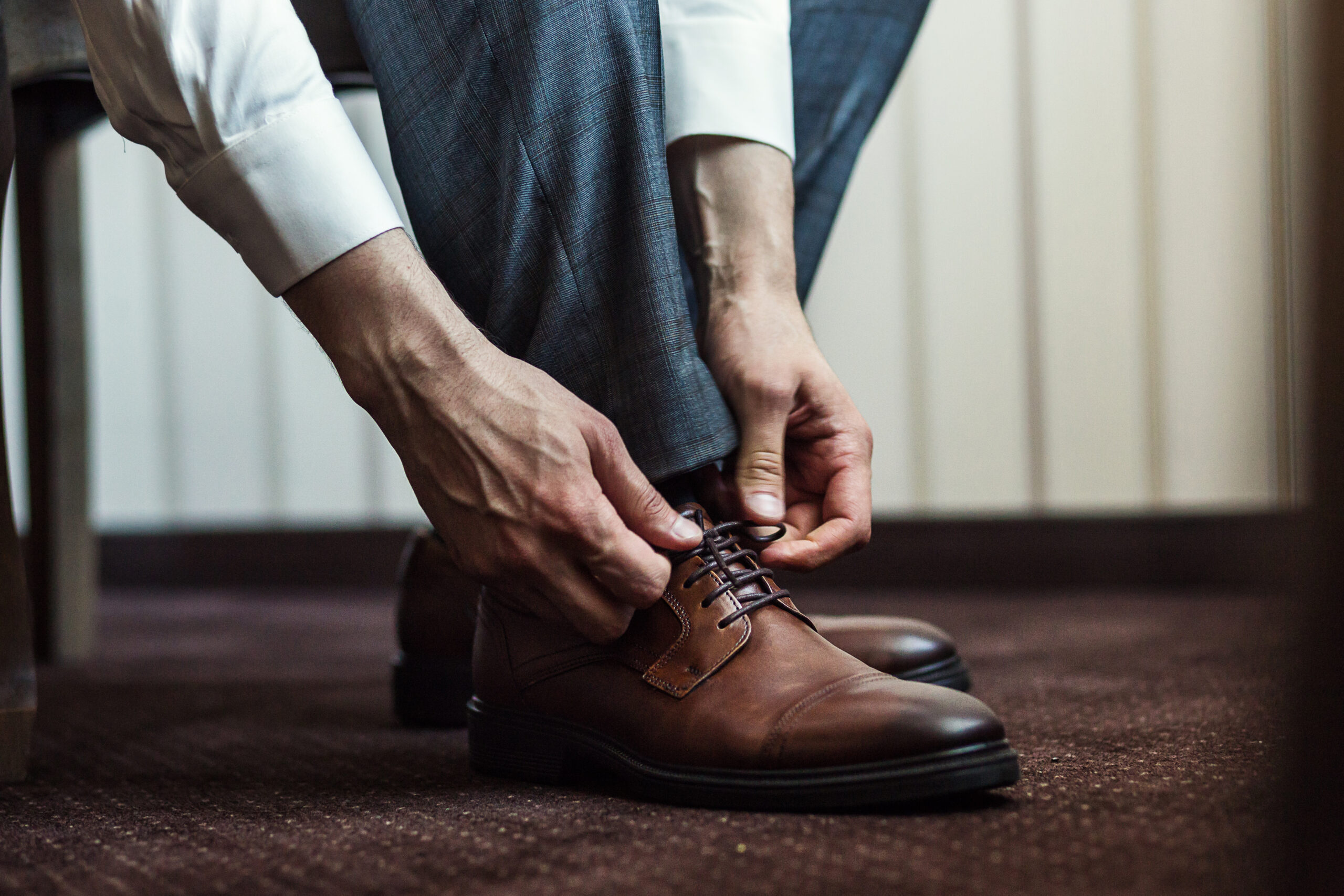
If your dress shoes are flaking or cracking, you are not alone. Many people search for a leather shoes peeling fix after they notice the top layer of their shoes lifting or turning chalky. In this guide, we explain what causes peeling, how to repair scuffs and cracks at home, and how to prevent future damage. We also explain how O-Sun equipment helps teams and guests keep shoes polished and professional with less effort.
What Peeling Really Is: Finish vs Leather
Most peeling problems are not the leather itself shredding. The finish on top of the leather is usually what is coming apart. Dress shoes often have a color coat and a clear protective layer over the grain. When those layers dry out or break down, they can flake. Real leather underneath may still be sound. In other cases, the shoe upper is not full-grain leather at all. Bonded leather or synthetic material has a polyurethane surface that can crack and shed like plastic. That type of damage is harder to fix long term.
Knowing what you are working with is key. Full-grain or top-grain leather has a natural surface. Corrected-grain leather has a sanded top and a pigment layer, which can peel if it gets too dry. Bonded leather uses small leather fibers mixed with binder and a plastic film on top. PU or faux leather is fully synthetic and can peel once the film fails. A proper leather shoes peeling fix starts with this identification.
Common Reasons Your Shoes Start to Flake
Not All “Leather” Is Equal
Labels can be confusing. If a tag says “bonded leather,” “PU leather,” “manmade upper,” or “synthetic,” the surface is a film. That film can split with age or heat. Even some real leather shoes have a thick paint-like layer that can crack if neglected. Check the product details before you buy and inspect the edge of the upper. If you see a fabric or paper-like backing, it is not full-grain.
- Full-grain or top-grain: best durability and repair potential
- Corrected-grain: good but needs routine care to protect the finish
- Bonded or PU: hardest to restore once peeling starts
Heat, Sun, and Dry Air
Direct sunlight, a car trunk in summer, or a heater vent can bake the finish. Heat makes the top coat brittle. UV light also fades dyes. Store shoes away from heat and let them air dry at room temperature after wear.
Moisture and Sweat
Moisture is a double threat. Soaked leather stretches and then shrinks as it dries. Salts from sweat collect on the surface and pull out oils. Both lead to cracking. Rotating shoes and using cedar shoe trees help manage moisture.
Harsh Cleaners and Wrong Products
Household cleaners, alcohol wipes, and too much acetone can strip the finish and break glue lines. Aerosol silicone sprays not made for leather can seal the surface and block conditioner. Use cleaners and conditioners designed for leather only.
Skipping Regular Care
Leather is skin. It needs gentle cleaning, conditioning, and protection. Without this, the finish dries out. Dirt becomes abrasive and speeds up flaking. A few minutes of care each week is far cheaper than a replacement.
Heavy Use Without Rotation
Daily wear without a break compresses the flex points at the toe and vamp. That stress makes the finish split. Rotate shoes every other day to let them recover.
Fast Diagnosis: Is It Repairable?
Before you start a leather shoes peeling fix, decide if the damage is in the finish layer or in the material itself. Here are simple checks you can do at home.
- Look at the edges: If you see a fabric-like backing under the flaking, you likely have bonded or synthetic material. Long-term repair is limited.
- Pinch test: Gently pinch a flex crease. If you see fine, natural lines, it is real leather. If the surface looks like plastic and cracks in straight lines, it is probably a film.
- Scratch test: Lightly scratch an unseen area. Real leather shows a lighter mark that buffs out. PU shows a blister or a sharp line that does not blend.
- Smell and feel: Real leather has a warm, porous feel and a natural smell. PU feels cold and glassy.
If you have full-grain or corrected-grain leather and the damage is mostly the color coat, you can likely restore it. If you have bonded or PU material with large-scale peeling, you can improve the look for a short time, but the film will keep failing because the base is breaking down.
Leather Shoes Peeling Fix: Step-by-Step Repairs You Can Do
Supplies You May Need
- Horsehair brush and soft cloth
- Mild leather cleaner or saddle soap
- Leather conditioner
- Cream polish in a matching color
- Paste wax polish for shine and protection
- Edge dressing for scuffed soles and heels
- Leather deglazer or isopropyl alcohol for spot prep
- Fine sandpaper or a sanding sponge, 600 to 1000 grit
- Leather filler or flexible repair compound
- Leather dye or acrylic leather paint to recolor
- Clear leather finish, matte or gloss
- Cedar shoe trees
Minor Scuffs and Light Flaking
- Insert cedar shoe trees to support the shape.
- Brush off dust for 30 seconds. Use a dry cloth to wipe the surface.
- Clean the area with a small amount of leather cleaner. Do not soak.
- Condition lightly and let it sit for 15 minutes.
- Buff, then apply cream polish in thin coats. Two light coats are better than one thick coat. Let each coat dry and buff.
- Finish with a small amount of paste wax on high-wear areas. Buff to a soft shine.
This quick routine fills small scuffs and smooths minor flaking on the color coat. Cream polish helps blend color and moisturizes the finish.
Moderate Peeling or Color Loss at Flex Points
- Prep: Clean and dry the shoes. Use deglazer sparingly on the damaged zones to remove loose finish. Work in a ventilated area.
- Feather edges: Gently sand the peeled edges until they taper into the surrounding area. Wipe away dust.
- Rebuild: Use a thin layer of leather filler on cracks and missing patches. Let it cure fully. Sand smooth.
- Recolor: Apply dye or acrylic leather paint that matches your shoe. Build color with multiple thin coats, letting each coat dry. Avoid drips.
- Protect: Seal with a clear leather finish. Choose matte if you prefer a natural look, gloss for a dress sheen.
- Polish: After the finish cures, apply cream polish to even the tone and paste wax for light water resistance.
This method restores the look of corrected-grain and many dress shoe finishes. Patience and thin layers are the secret to a clean result.
Deep Cracks and Surface Splits
- Assess: If the leather has broken through or the upper is tearing, see a cobbler. If the damage is contained to the top coat, continue.
- Strip selectively: Use deglazer to remove weak finish only. Do not strip down to bare leather unless needed.
- Fill in stages: Apply filler in multiple thin passes, letting each layer cure. Shape the surface with fine sanding between layers.
- Recolor with dye first for depth, then use a matching acrylic paint for an even top color.
- Topcoat with a durable clear finish. Let it cure overnight before wearing.
For black shoes, edge dressing can also revive the look at the welt and heel. Finish with a wax shine for extra protection.
What About Bonded or PU Material?
You can trim loose film carefully, smooth with fine sanding, and apply flexible leather paint as a temporary cover. The improvement may last weeks or a few months depending on wear. Because the base film continues to degrade, permanent repair is unlikely. If the shoes are for occasional use, a touch-up may be worth it. For daily wear, consider replacing with full-grain leather for better durability and repair options.
When to Call a Cobbler
A professional can resole shoes, replace heel stacks, stitch torn uppers, and refinish color to near-new. Seek help if you see separation at the welt, deep cuts, torn eyelets, or if you want a full color restoration. A cobbler can also confirm leather type and recommend a shop-grade leather shoes peeling fix that lasts.
Prevent Peeling: A Simple Weekly Routine
Preventive care is the best leather shoes peeling fix. A small routine keeps the finish flexible and clean and cuts down on major repairs. Here is a plan that works for busy professionals and teams.
After Each Wear
- Insert cedar shoe trees to absorb moisture and keep shape.
- Brush lightly to remove grit that would scratch the finish.
- Air dry at room temperature. Avoid heaters and direct sun.
Weekly
- Wipe with a damp cloth, then apply a thin coat of cream polish. Buff to a clean glow.
- Spot condition flex points if they feel dry. Use a small amount only.
- Use an O-Sun shoe polisher in lobbies, locker rooms, or back offices to keep a consistent shine. O-Sun machines make upkeep fast and reduce missed spots that lead to uneven wear.
Monthly
- Wash gently with saddle soap if there is buildup. Condition, let rest, and finish with polish.
- Refresh edge dressing along the sole and heel.
- Check laces, eyelets, and seams for early wear.
In workplaces with heavy foot traffic, automatic polishers from O-Sun help staff and guests maintain a tidy appearance in less than a minute. Regular polished protection repels moisture and reduces surface friction that can start flaking.
Storage and Use Tips That Extend Life
- Rotate pairs. Let each pair rest at least 24 hours between wears.
- Use a shoehorn to prevent heel counter crush.
- Keep shoes on a rack with air flow. Avoid plastic bins that trap humidity.
- Travel with shoe bags and trees to prevent scuffs and creasing.
- If shoes get soaked, stuff with paper, use trees, and dry slowly away from heat.
- Reapply polish after rain or snow days to rebuild protection.
Leather Maintenance in Busy Facilities
O-Sun has built commercial shoe shiners and polishers since 1972. The company focuses on durability, low maintenance, and fit for purpose across many industries. Airports, Amtrak stations, hotels, law firms, banks, military and police facilities, postal operations, security teams, trucking terminals, and UPS facilities all benefit from clean, professional footwear. O-Sun’s manual, bench-mount, and automatic models make daily upkeep simple for staff and visitors. Add O-Sun polish, silicone wax, brushes, and buffer pads and you have a complete system that works across different shoe types. In high-traffic areas, a dependable polisher encourages frequent light maintenance. That means less dirt grinding into the finish and fewer cases of flaking. O-Sun showcases testimonials from organizations that report reliable service with low upkeep. The company also offers a 60-day no-risk trial for qualifying industries and stands behind its equipment. If your goal is consistent presentation with less time and mess, O-Sun is a practical partner.
Frequently Asked Questions
Can I fix bonded leather peeling?
You can improve the look for a short period. Trim loose film, smooth the surface, and apply flexible paint in thin coats. Expect to repeat as the film keeps failing. For long-term value, switch to full-grain leather, which can be conditioned and refinished many times.
Do oils like olive oil or petroleum jelly help?
No. Kitchen oils go rancid and can stain. Petroleum jelly sits on the surface and softens glue. Use leather conditioner made for footwear. Apply sparingly and let it absorb before polishing.
How often should I polish?
For office wear, once a week is usually enough. For heavy-use environments, quick daily brushing and a weekly polish work well. Automatic polishers from O-Sun make short, frequent touch-ups easy, which keeps the finish flexible and reduces flaking.
Will a strong cleaner speed up a leather shoes peeling fix?
Harsh cleaners can remove the protective finish and cause more peeling. Start with mild leather cleaner. Use deglazer only on damaged areas and with care.
What if my shoes are cracking at the toe?
Fine lines at the toe happen where the shoe bends. Condition lightly, then use cream polish to fill and blend. For deeper splits, use filler and recolor as outlined above. Keep shoes on trees after wear to reduce new creases.
Tools and Products Checklist
- Horsehair brush and microfiber cloths
- Mild leather cleaner or saddle soap
- Quality leather conditioner
- Cream polish to nourish and color
- Paste wax for shine and light water resistance
- Edge dressing to renew soles and heels
- Deglazer, applied sparingly for prep work
- Fine sandpaper, 600 to 1000 grit
- Leather filler for cracks
- Dye or acrylic leather paint for color match
- Clear leather topcoat, matte or gloss
- Cedar shoe trees and a shoehorn
- O-Sun polisher that fits your space, plus O-Sun silicone wax and buffer pads for efficient upkeep
How O-Sun Supports a Better Leather Shoes Peeling Fix
A good repair lasts longer when daily care is simple. O-Sun designs polishers that deliver consistent brushing and buffing, which helps lock in cream and wax layers and smooth the finish after each wear. Whether you choose a compact bench-mount unit for a back room or an automatic lobby model, O-Sun equipment reduces the friction and dust that often start peeling. The company can build to your needs and offers accessories like polish and brushes matched to the machines. With decades of field experience and a 60-day no-risk trial for qualifying industries, O-Sun gives you a reliable path to cleaner shoes with less labor and downtime.
Final Word
Most peeling starts at the finish, not the leather itself. The right leather shoes peeling fix depends on the material and the extent of damage. Light flaking often responds to cleaning, conditioning, and cream polish. Moderate damage calls for careful prep, filler, recolor, and a protective topcoat. If the upper is bonded or synthetic, you can improve looks for a while, but replacement is the lasting option. Protect your investment with simple habits. Rotate pairs, use shoe trees, polish regularly, and keep shoes away from heat and harsh cleaners. For teams and facilities that need a consistent, professional shine every day, O-Sun equipment makes maintenance fast and repeatable. Explore O-Sun’s manual, bench-mount, and automatic polishers and see why organizations across airports, hotels, logistics, and public service rely on the brand. With the right care and the right tools, your leather shoes can look sharp and resist peeling for years.